Editing a Wedding Film Around Missing Footage
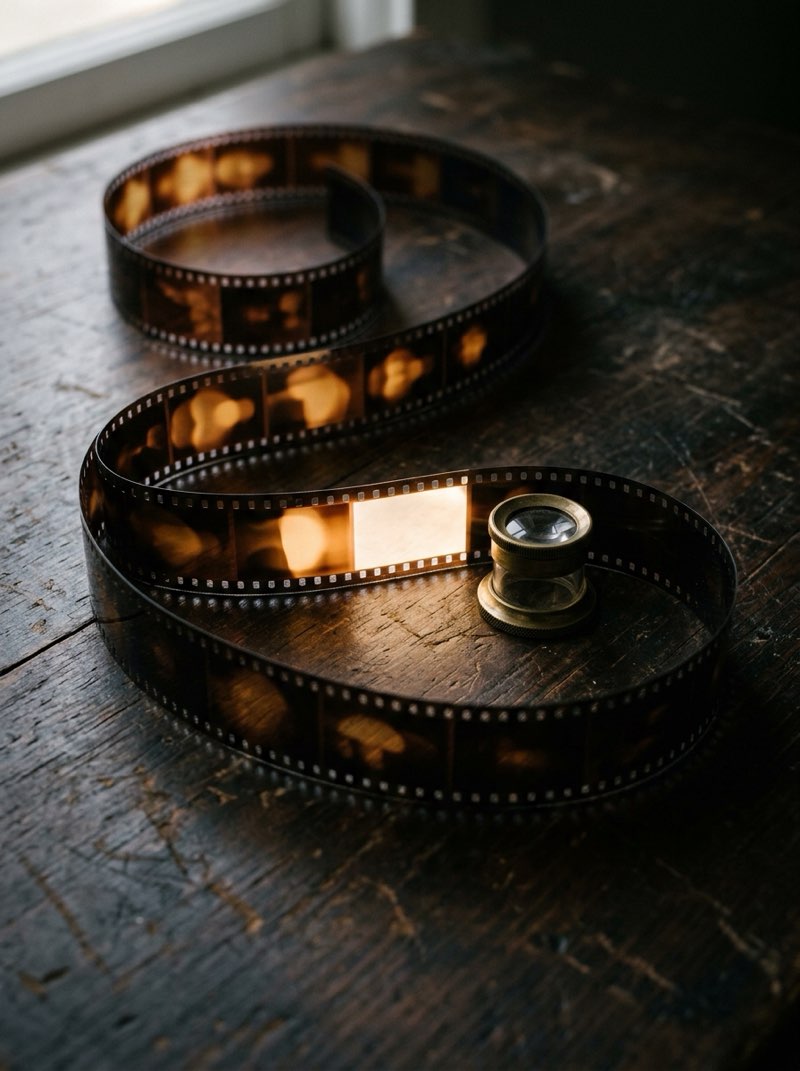
When a moment is missing from the footage, the edit is rebuilt from whatever else recorded it: another angle, a separate audio recorder, the photographer's stills, or a guest's phone. Most gaps can be bridged so the film still holds together. What an editor must not do is fake the moment in a film that promises to show the day as it happened.
Search for this and you find couples on wedding forums describing the moment their videographer missed, news stories about the couples who sued, and data recovery companies. Nothing covers the part in between: what to do in the edit once you know what is gone.
Is it really gone?
If the gap comes from a failed card, recover before anyone edits around it. Stop using the card, and image it before trying recovery software.
Then check every source, not just the main cameras: the second shooter, static angles, audio recorders, and any camera left running unattended. Gaps are often smaller than they first look. A missing angle is not a missing moment if another camera saw it.
What can fill the gap?
In rough order of how well each one holds up:
- Another angle. A wide static camera, a second shooter, or a camera on a tripod at the back. A soft or badly framed shot of the real moment beats a beautiful shot of something else.
- Audio from a separate recorder. If the vows or a toast were recorded but not filmed, the words can carry the moment over other footage from the same minutes: hands, guests, the room.
- The photographer's stills. A burst from the kiss or the exit can be cut together as a short sequence. Ask the photographer first, in writing. They usually own the copyright in their images, and most will agree if they are credited.
- Guest phone footage. Often the only other recording of a reception moment, and worth asking for as soon as a gap is found, while guests still have the clips.
- Nothing at all. A fade or a cut straight past the moment. Sometimes an honest gap is better than a weak patch.
What must you never fake?
A highlight film is impressionistic. Cutting a kiss from the recessional into the ceremony sequence, or laying the vows over portraits taken an hour later, is a normal highlight technique, because a highlight is not a record.
A documentary edit is different. Its whole promise is that this is what happened, in order. Putting another moment in place of the missing one turns a gap into a misrepresentation, and couples notice, because they were there.
The rule that holds: in a highlight, fill freely. In a documentary edit, bridge the gap honestly with audio, stills or a clean cut, and never put something else in its place.
Some couples will happily re-create a kiss or an exit at a later session. That can be lovely, as long as everyone knows it is a re-creation and it never appears in the documentary edit as the original.
How do you restructure a highlight around a gap?
Do not let the film's peak depend on the missing moment. If the first kiss is gone, move the peak to the vows, the first dance or the exit, whichever has the strongest sound and picture.
Keep any bridge short. A long run of stills or a long audio-only passage draws attention to what is missing. A few seconds that carry the sound of the moment and then move on are usually enough.
When do you tell the couple?
Before they see the film, never after. Say exactly what is missing and why, show what the moment was rebuilt from, and come with a remedy already decided, whether that is a partial refund, an extra edit or a re-created moment at a later session.
A missing moment rarely ends a client relationship. Discovering it in the film, with no warning, often does.
What should you tell your editor?
- Exactly what is missing, with timestamps from the sources that cover it.
- Every alternative source: other angles, audio recorders, the photographer's stills if they agreed, and guest clips.
- Which deliverables are affected, so the documentary edit is bridged honestly and the highlight is restructured.
- Whether the couple already knows. An editor should never be the first to discover a gap and quietly patch it.
Put all of it in the brief, alongside the footage folders, so the gap is a known problem with a plan rather than a surprise in the timeline.
The bottom line
Confirm the footage is really gone, then rebuild the moment from whatever else recorded it: another angle, separate audio, the photographer's stills or a guest's phone.
Fill freely in a highlight, bridge honestly in a documentary edit, and tell the couple before they press play.